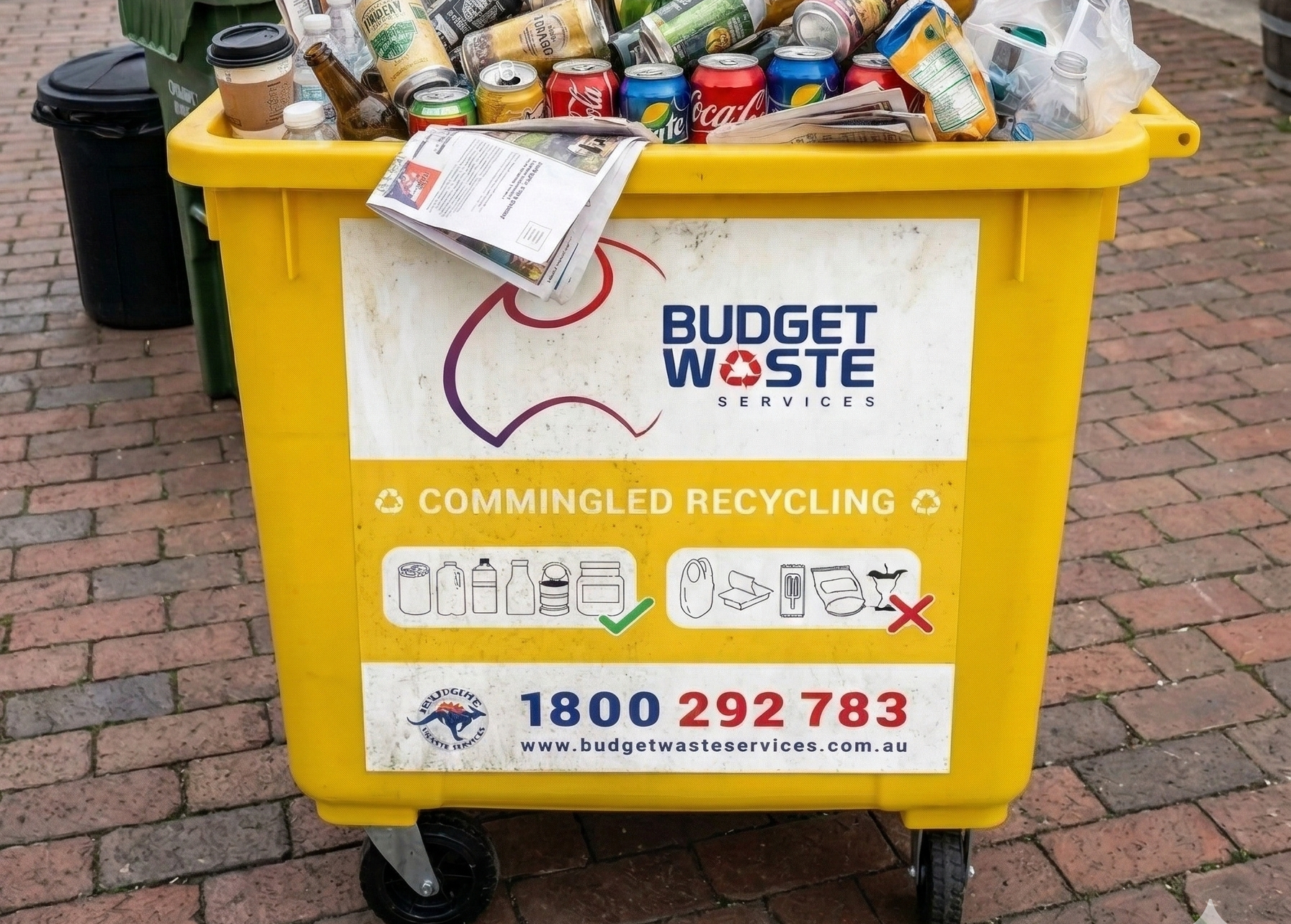
Comingled Recycling
One bin for glass, plastics, cans and cartons. Commingled recycling collections for Melbourne businesses, sorted at a licensed material recovery facility.

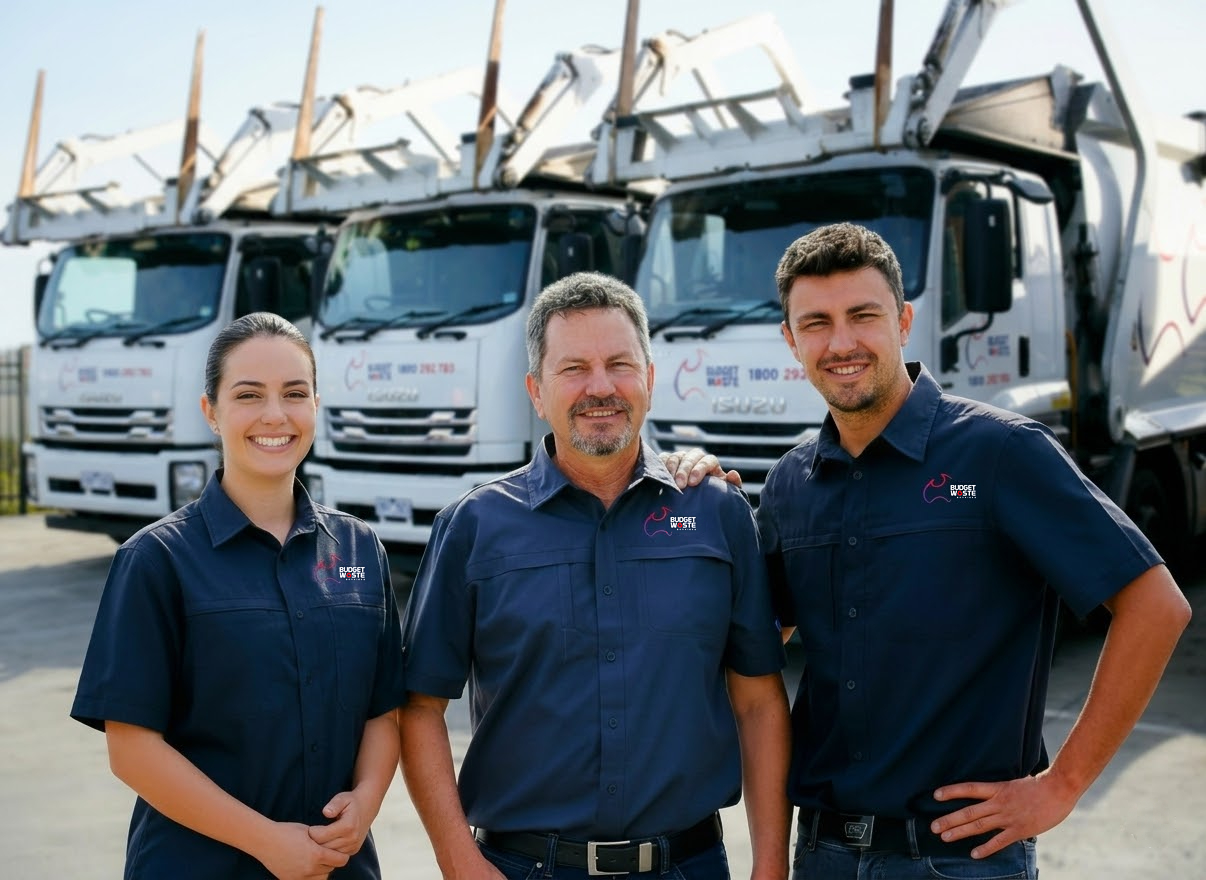
Flexible Mixed Recycling for Better Sustainability Outcomes
Commingled recycling is the collection of mixed recyclable materials in a single bin rather than separating them on site. For a Melbourne business that usually means glass bottles and jars, plastic containers, aluminium and steel cans, and liquid paperboard cartons all going into one dedicated bin.
Budget Waste Services collects commingled recycling from commercial sites across metropolitan Melbourne. Material is transported to a licensed material recovery facility where automated sorting separates each stream for reprocessing. Using one bin instead of four raises staff participation, which is the single biggest factor in how much material a site actually diverts from landfill.
Why Choose Our
Comingled Recycling
Designed to make recycling easier for your business

Mixed Recycling Convenience

Advanced Sorting Technology

Tailored Bin Selection

Sustainability Focused
REAR LIFT COLLECTIONS
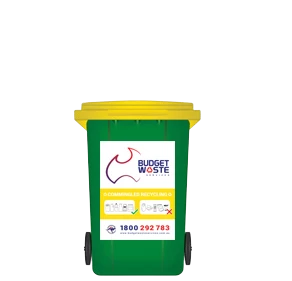
240L rear lift bin
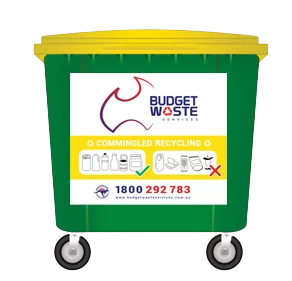
660L rear lift bin
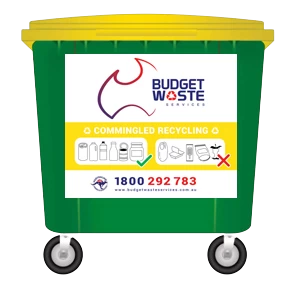
1100L rear lift bin
Note: Comingled recycling availability and collection options may vary by state and disposal facilities.
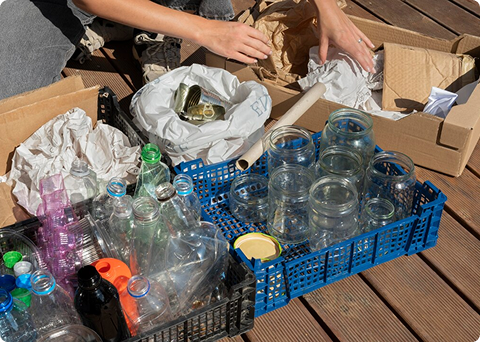
Accepted Materials for Comingled Recycling
Containers should be empty and rinsed of residue, placed loosely in the bin rather than bagged. Keep lids closed and do not overload the bin. Overloading may attract an additional charge.
Our comingled recycling service accepts the following items:
-

Milk cartons
-
Plastic bottles
-
Aluminium cans
-
Glass containers and jars
-
Steel cans
-
Plastic containers and tubs
-
Glass bottles
-
Aerosol cans, empty
-
Liquid paperboard cartons including juice and long life milk
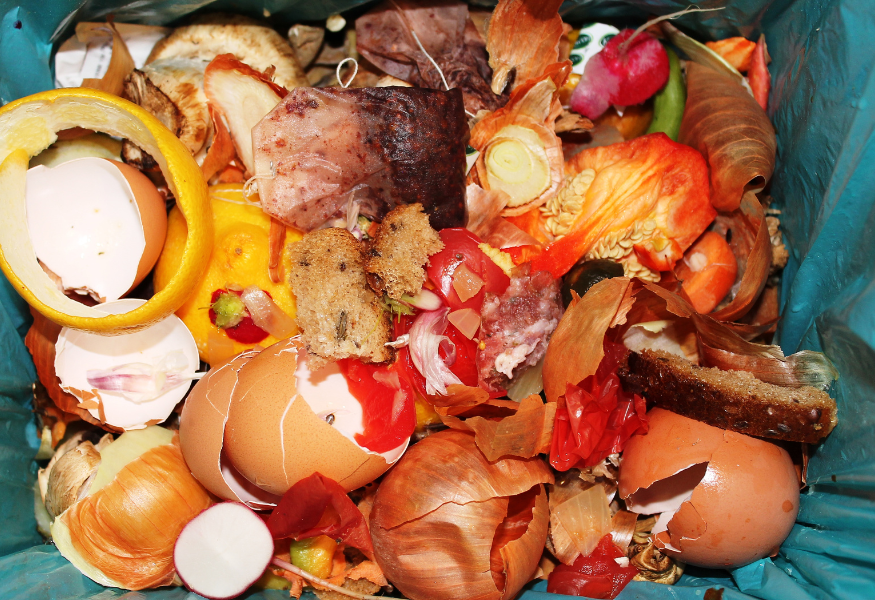
Items Not Accepted
These items contaminate the load. A contaminated bin can be rejected at the sorting facility and redirected to landfill, which removes the recycling benefit and can increase your disposal cost.
-
General household or business rubbish
-
Food or food wrappers
-
Liquid waste
-
Prescribed or hazardous waste
-
Flammable waste
-
Asbestos
-
Tyres
-
Mattresses or bulky hard waste items

How Our Comingled
Recycling Service Works

Bin Setup
We assess your volume, recommend a bin size, and deliver a dedicated commingled recycling bin to your site.

Collection & Transport
Bins are collected on a set schedule and transported to a licensed material recovery facility in Melbourne.

Sorting & Recycling
Automated sorting separates glass, plastics, metals and cartons into individual streams for reprocessing.
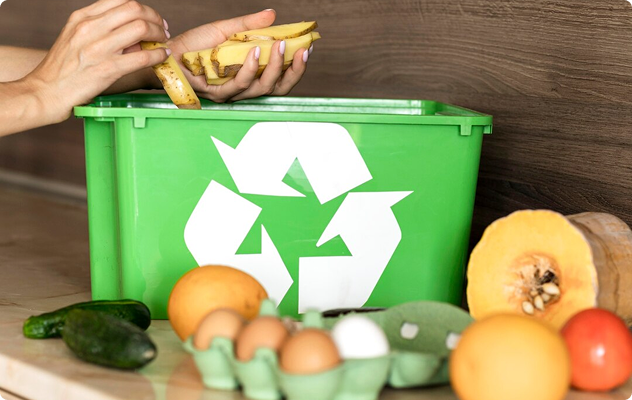
Supporting Smarter Recycling Practices
Commingled recycling works best when the bin is sized correctly, placed where staff will actually use it, and kept free of food and liquid. Budget Waste Services helps Melbourne businesses get all three right, and can provide tonnage and diversion reporting for sites that need it for internal sustainability reporting or tender documentation.
TRUSTED BY BUSINESSES ACROSS MELBOURNE
For over 20 years with superior service and rapid response times.

Budget Waste Services
Top-rated on Google Reviews
 62 Reviews








Frequently Asked Questions
Commingled recycling is the collection of mixed recyclable materials in one bin instead of separating them on site. For most Melbourne businesses that means glass bottles and jars, plastic containers, aluminium and steel cans, and liquid paperboard cartons together in a single dedicated bin. The material is sorted after collection at a licensed material recovery facility using automated separation equipment, so staff do not need to sort by material type at the point of disposal.
Yes. Budget Waste Services collects commingled recycling from commercial sites across metropolitan Melbourne, including the CBD, inner suburbs and outer industrial areas. Regular service areas include Dandenong, Truganina, Tarneit, Laverton and Somerton. Collections run on a set weekly, fortnightly or monthly schedule depending on your volume.
The main benefit is participation. When staff have one recycling bin rather than four separate streams, more material ends up in the right place and less ends up in general waste. That raises the diversion rate and reduces the volume going to landfill, which is usually the more expensive stream. It also takes up less floor space than multiple separated bins, which matters on sites with limited back of house area.
Yes. Budget Waste Services works with commercial clients only, not residential. Commingled recycling suits offices, retail sites, shopping centres, hospitality venues, warehouses, aged care facilities and schools. Bin size and collection frequency are set against your actual volume rather than a standard package.
Yes, provided the bin stays clean. A well run commingled stream diverts a significant share of a commercial site’s waste from landfill. The limiting factor is contamination: food, liquid and general rubbish in the recycling bin can cause the load to be rejected at the sorting facility and sent to landfill instead. Correct signage and staff awareness make more difference to the outcome than bin size does.
Glass bottles and jars, plastic bottles, containers and tubs, aluminium and steel cans, empty aerosol cans, and liquid paperboard cartons such as milk and juice. Containers should be empty and rinsed, and placed loosely in the bin rather than inside bags. Lids should be closed and the bin should not be overfilled.
Contamination means non recyclable material has gone into the commingled bin, most commonly food waste, liquid, soft plastics or general rubbish. A contaminated load can be rejected at the material recovery facility and redirected to landfill, which removes the environmental benefit and may increase your disposal cost.
Pricing depends on bin size, collection frequency, volume and site access. A 240L bin collected fortnightly costs considerably less than a 1100L bin collected weekly. Commingled recycling is generally cheaper per lift than general waste because the material has recovery value, so moving volume out of the general waste bin and into recycling often reduces total waste cost.
General waste goes to landfill. Commingled recycling goes to a material recovery facility where it is sorted and reprocessed into new material. The practical difference for a business is cost and reporting: landfill is usually the more expensive stream, and recycling volumes can be reported as diversion for sustainability purposes. Most commercial sites find a meaningful share of what currently goes in the general waste bin could go in a commingled bin instead.
Get Started With a Tailored Waste Plan
Ready to streamline your waste services?