Front Lift Bins Melbourne

Front Lift Bin
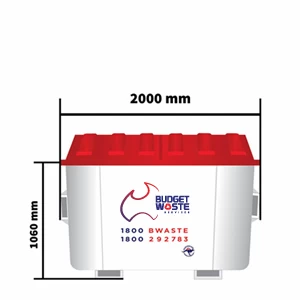
1.5m³
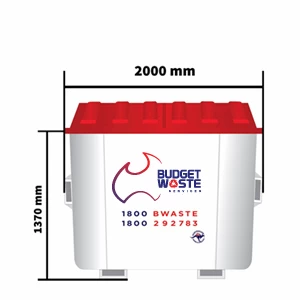
3m³
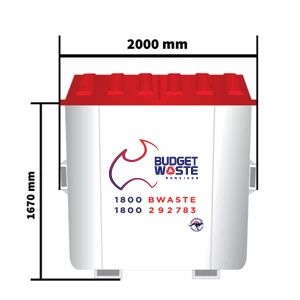
4.5m³
What Is a Front Lift Bin?
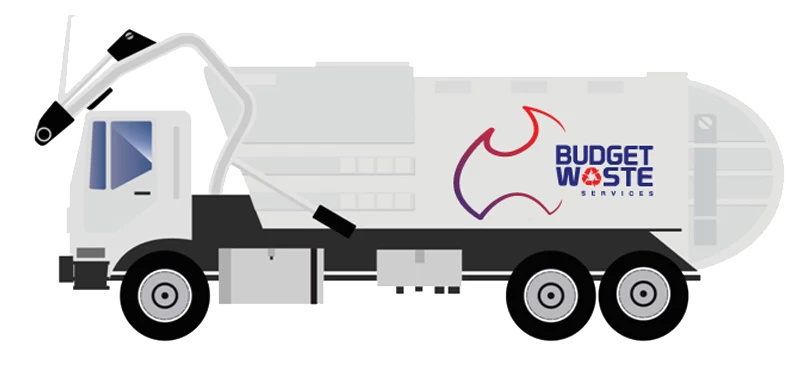
A front lift bin is a large steel waste container emptied by a truck with two forks on the front. The truck lifts the bin up over the cab and tips it into the hopper. Front lift bins are used for commercial and industrial waste where volumes are too high for wheelie bins, and they normally sit in a car park, loading dock or bin enclosure.
Sizes run from 1.5 cubic metres up to 4.5 cubic metres. Because the truck does the lifting, a collection empties the whole bin in well under a minute, which is why front lift is the standard choice for sites producing steady volumes of general waste, cardboard or comingled recycling.
Front Lift Bin Sizes
| Size | Capacity | Typically suits |
|---|---|---|
| 1.5m³ | 1,500 litres, about six 240L wheelie bins | Small offices, cafes, single tenancy retail |
| 3m³ | 3,000 litres, about twelve 240L wheelie bins | Medium retail, hospitality venues, small warehouses |
| 4.5m³ | 4,500 litres, about eighteen 240L wheelie bins | Large venues, manufacturing, distribution centres |
Which Businesses Use Front Lift Bins?
Front lift suits any site with a steady weekly volume and enough clear space for the truck to approach the bin head on. Across Melbourne that commonly means retail centres and shopping strips, hospitality venues, warehouses and distribution centres, manufacturing sites, schools, and medium to large offices. Cardboard heavy sites often run a dedicated front lift bin for paper and cardboard alongside their general waste bin, because separating cardboard moves that volume off the landfill levy.
Access and Clearance Requirements
A front lift truck needs clear frontal access to the bin and enough overhead clearance to raise it above the cab. In practice that means a clear approach in front of the bin and nothing overhead at the lifting position: no low awnings, branches, power lines or car park height bars. Bins kept under cover or in basement car parks usually need to be rolled out to a collection point before the truck arrives. Where a site cannot meet those requirements, rear lift bins are normally the better fit.
Front Lift or Rear Lift?
Front lift bins are the better choice for higher volumes and open access sites. Rear lift bins are wheeled bins from 120 litres to 1100 litres, emptied by a lifter on the back of the truck, and they suit smaller volumes and tight sites such as laneway premises, small offices and cafes. Plenty of Melbourne businesses run both, using front lift for general waste and rear lift for a lower volume stream like comingled recycling.

Supporting Smarter Recycling Practices
Front lift bins can be allocated to comingled recycling or to paper and cardboard rather than general waste, which moves that material off the landfill levy and lifts your site diversion rate. Budget Waste Services can set up separate front lift bins for each stream and report the tonnages collected.
See also: Rear Lift Bins | Hook Lift Bins
Frequently Asked Questions
Front lift bins are emptied by a truck with two forks on the front that lift the bin over the cab. They are the standard choice for Melbourne businesses producing steady weekly volumes of general waste, cardboard or comingled recycling, and they need clear frontal access for the truck.
Budget Waste Services supplies front lift bins in 1.5, 3 and 4.5 cubic metre sizes. A 1.5 cubic metre bin holds about the same as six 240 litre wheelie bins, a 3 cubic metre bin about twelve, and a 4.5 cubic metre bin about eighteen.
Collection frequency is set to the volume a site produces, from weekly through to multiple collections a week. Sites with fluctuating volumes, such as venues with seasonal trade, can have the schedule adjusted rather than paying for collections they do not need.
Front lift bins are run as a single stream, so the bin is allocated to general waste, cardboard or comingled recycling and only that material should go in it. Keeping a recycling bin free of general rubbish and food waste matters, because a contaminated load can be redirected to landfill and charged at the landfill rate.
The bin needs a footprint on a flat, firm surface plus a clear approach in front of it for the truck, and no obstruction overhead at the lifting position. Low awnings, branches, power lines and car park height bars all prevent collection. If a site cannot provide overhead clearance, rear lift bins are the alternative.
Yes. Front lift bins are commonly used for comingled recycling and for paper and cardboard, and many Melbourne sites run a separate front lift bin for each stream alongside general waste. Splitting streams this way moves material off the landfill levy and improves the site diversion rate.
TRUSTED BY BUSINESSES ACROSS MELBOURNE
For over 20 years with superior service and rapid response times.

Budget Waste Services
Top-rated on Google Reviews
 62 Reviews








Get Started With a Tailored Waste Plan
Ready to streamline your waste services?